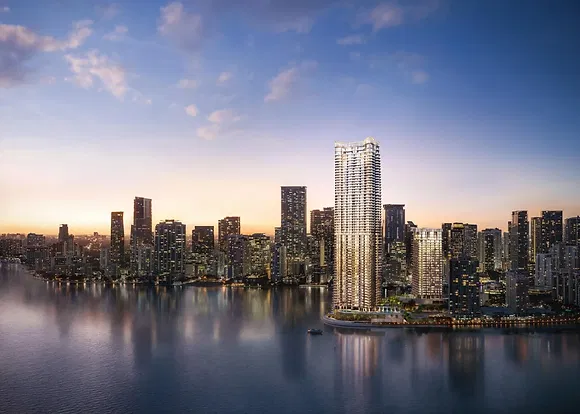
If you have been tracking real estate headlines across South Florida, you know the market is sending mixed signals. On one hand, gleaming glass towers continue to rise along the Biscayne Bay skyline, and luxury penthouses routinely shatter price records. On the other hand, whispers of rising association dues, stricter building regulations, and a noticeable softening in mid-tier condo sales have prospective buyers asking a blunt question: Are South Florida condos bad investments right now?
The short answer is: It depends entirely on what you are buying, where it is located, and how the association's books look.
Welcome to Miami’s great real estate split of 2026. While the single-family home market remains a steadfast fortress supported by a long-term inventory crunch, the condo market has officially fractured into two distinct realities. Understanding this split is the single most important key to making a smart investment in the region today.
1. The Big Picture: Condos vs. Single-Family Homes
To understand where the market stands, let's look at the numbers. Across Miami-Dade County, countywide median condo prices have hovered between $410,000 and $450,000, reflecting modest year-over-year adjustments and roughly 13 months of available supply. In the real estate world, anything over 9 to 12 months of supply firmly establishes a buyer's market.

Meanwhile, the single-family housing market tells an entirely different story. Median single-family home prices sit comfortably around $670,000, displaying exceptional stability and ongoing demand despite broader economic shifts. While single-family inventory remains stubbornly low, creating intense bidding for prime suburban and urban pockets, the condo sector has seen a surge in inventory that gives buyers significant leverage: especially outside the ultra-luxury tier.
2. The Post-Surfside Reality: Reserves, HOA Fees, and FHA Scarcity
You cannot talk about South Florida condos today without addressing the regulatory and financial shifts that followed the tragic Champlain Towers South collapse in Surfside. New Florida legislation mandating rigorous structural reserve studies and fully funded milestone inspections has fundamentally changed condo ownership economics.
- The HOA Surge: Many condo associations across Miami, Fort Lauderdale, and Palm Beach have been forced to implement steep monthly HOA increases or massive special assessments to build up required reserves and catch up on deferred maintenance.
- The Financing Squeeze: Lenders are applying unprecedented scrutiny to building financials. Currently, fewer than 1% of condo buildings in Miami-Dade, Broward, and Palm Beach hold FHA approval. For unapproved buildings, buyers often face requirements of 25% down payments instead of traditional lower thresholds, squeezing out first-time buyers and financed investors.
- Association Terminations: In older coastal and bayfront properties where repair costs outpace what current owners can afford, developers are increasingly stepping in with buyout offers to terminate associations and redevelop the land.
3. The Luxury Exception: Why $1M+ Condos Are Defying Gravity
While mid-tier and older investor-driven condos face headwinds, the top of the market tells a completely different story.

The $1M+ luxury condo segment in South Florida is thriving. Recent reports show that luxury condo sales are up roughly 20% year-over-year, marking one of the strongest first quarters in Miami history for high-end vertical living.
What's driving this divergence? Cash buyers and prime locations. Over 80% of condo purchases above $1 million are cash transactions. Wealthy buyers relocating from high-tax northeastern states or international financial hubs are prioritizing lifestyle, security, and world-class amenities in premier submarkets like Coconut Grove and Coral Gables, which boast the lowest inventory and fastest days on market in the region. For these buyers, high interest rates and standard financing hurdles are non-factors.
4. Single-Family Homes: The Steady Fortress
If you are looking for predictable asset appreciation with minimal regulatory interference from building boards, single-family homes continue to shine.
Neighborhoods in Pinecrest, Coral Gables, and Palm Beach County are experiencing sustained end-user demand. Because new land for single-family development is virtually non-existent in core South Florida metro areas, supply remains structurally constrained. Homeowners in these areas enjoy the peace of mind that comes with owning the land beneath their feet, free from the risk of sudden multi-thousand-dollar special assessments voted on by an association board.
5. Strategic Advice: Are Condos Still Worth It in 2026?
So, are condos a bad investment? Not necessarily: if you shop with surgical precision.

To help you navigate the 2026 market successfully, keep these golden rules in mind:
- Prioritize Financial Health Over Aesthetics: Before falling in love with a granite countertop or a bay view, review the association's reserve study, balance sheets, and upcoming capital expenditure plans. Buildings with fully funded reserves and proactive management are worth their weight in gold.
- Target Newer or Fully Modernized Buildings: Newer constructions built after stringent post-Andrew or post-Surfside code updates bypass the heavy deferred-maintenance liabilities threatening older vintage buildings.
- Location is Your Safety Net: Stick to core, scarcity-driven neighborhoods where demand remains evergreen. Waterfront enclaves and walkable urban cultural hubs hold their value far better than oversupplied suburban condo pockets.
- Beware of Rental Restrictions: If you are buying as an investor, verify short-term and long-term rental policies. Brickell and Downtown Miami feature unique regulatory nuances regarding Airbnb and short-term leasing that can drastically impact rental yields.
For more insights into local business, real estate trends, and the pulse of South Florida, explore our latest stories on South Florida Digest News or learn more about our publication.
Whether you are looking for your dream home or analyzing your next portfolio addition, staying informed is your greatest competitive advantage in South Florida's dynamic real estate landscape.