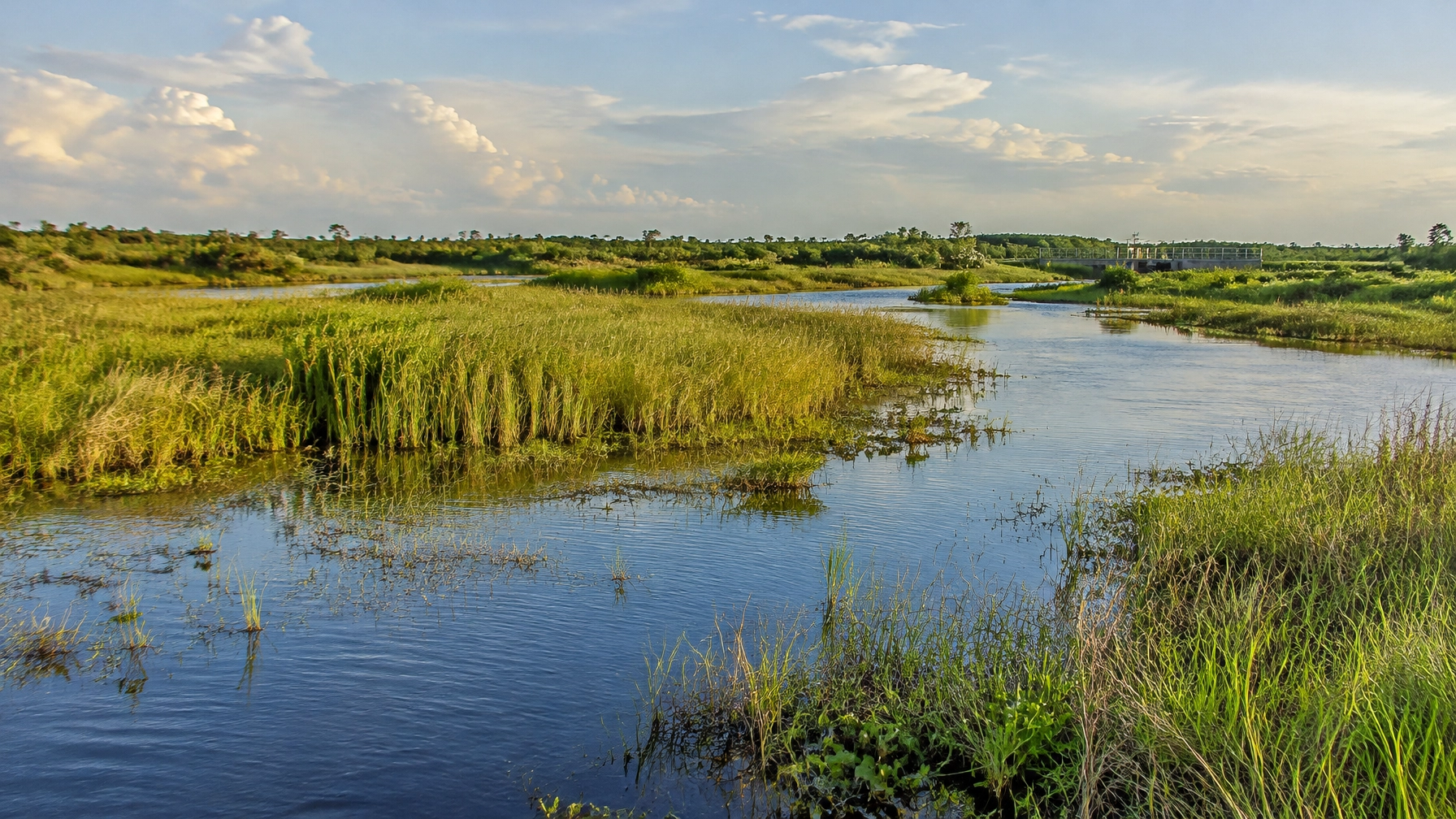
Illustrative image.
November 6, 2026
The South Florida Water Management District could lose more than $415 million in property-tax revenue over five years under Amendment 3, according to a state analysis cited by WLRN and Inside Climate News. The estimate is roughly a quarter of the district’s annual budget in scale, but it is a five-year revenue projection, not a one-time cut.
Florida voters approved Amendment 3 on November 3 with 61.98% support, just above the 60% threshold needed for a constitutional amendment to pass, according to the Florida Division of Elections. The measure expands the homestead exemption from non-school property taxes, while also reducing the assessment-increase cap on some non-homestead properties. The Legislative Office of Economic and Demographic Research projected a statewide reduction of about $45.8 billion in local non-school property-tax revenue over five years.
The question now is how the changed revenue picture affects a district responsible for water management across much of South Florida, including major parts of the Everglades restoration effort.
What SFWMD’s revenue supports
Ad valorem property taxes are one of the district’s funding sources. The South Florida Water Management District also receives state and federal funds and revenue from other sources. Inside Climate News reported that the district’s fiscal 2026-27 budget is about $1.6 billion and that the first-year effect of Amendment 3 would amount to roughly 3% of that budget. The larger, five-year estimate reflects the measure’s phased-in tax changes.
The dollars at risk help support more than a single restoration project. Friends of the Everglades says SFWMD funds stormwater treatment areas that filter polluted water, invasive-species control and the purchase and management of more than one million acres of conservation land. The district also has a central role in Everglades restoration and the operation and upkeep of its water-management system.
Those tasks are connected. Treatment areas need to be operated and maintained to remove pollution before water moves south. Conservation lands require ongoing care. Restoration projects require planning, construction and, in many cases, continued operation after they are built. A smaller recurring revenue base could constrain future work or leave maintenance needs deferred, although the size and timing of any operational changes remain to be determined.

Illustrative image of a large South Florida lake and wetland shoreline.
Existing work and future commitments are not the same
Amendment 3 does not automatically cancel projects that already have funding. One major example is the A-2 reservoir, part of the Central Everglades Planning Project. The U.S. Army Corps of Engineers describes the reservoir as covering about 10,500 acres, with capacity for 240,000 acre-feet of water. The project is under construction and has already secured funding; the Corps’ project information outlines its role in the broader Everglades restoration system.
The more immediate concern raised by conservation advocates is what comes next. Friends of the Everglades warned that reduced SFWMD revenue could slow future restoration work and put pressure on projects that depend on state and federal cost-sharing. If Florida’s local sponsor has less money available, projects may be delayed, scaled back or require alternative funding. That is a risk, not a confirmed list of project cuts.
Maintenance is another concern. Even when construction funding is in place, treatment facilities, water-control infrastructure and conservation lands require ongoing management. A budget squeeze could make it harder to meet those recurring needs at the same time the region faces difficult decisions about moving, storing and treating water.
A rising lake adds urgency to the money debate
The fiscal question is arriving amid changing water conditions. The U.S. Army Corps of Engineers’ November 6 daily report put Lake Okeechobee at 13.95 feet, up from 13.81 feet on November 5 and 13.64 feet on November 4. The report recorded no regulatory outflow through the S-77 structure to the west or S-308 to the east, with both at 0 cubic feet per second.
The Corps’ November 6 situation report classified the lake as being in Zone D under LOSOM, the Lake Okeechobee System Operating Manual. That is distinct from the Water Shortage Management Zone. The distinction matters: the lake is rising, but as of the report date it was not classified in the shortage zone. The daily stage and flow figures are provisional and may be revised.

Illustrative image of water-management infrastructure.
At the same time, the South Florida Water Management District reported that El Niño was strengthening and that above-normal rainfall was forecast through early 2027. In its October 27-November 2 operational position statement, the district said a strong-to-very-strong El Niño was likely through January-March 2027, with elevated chances of above-normal rainfall in coming three-month periods.
That outlook does not mean lake releases are certain. But it sharpens the challenge of balancing lake levels, flood protection, water supply, estuary conditions and Everglades needs. The Palm Beach Post reported November 2 that continued heavy rain and a rising lake could eventually force releases toward the St. Lucie Estuary near Stuart. As of November 6, the Corps reported no regulatory releases through S-308.
Farther south, the district’s November 4 environmental conditions report said Florida Bay salinity remained above the 75th percentile of its historical range across all monitored regions. Freshwater flows, rainfall and water-management operations all affect the region’s connected wetlands and estuaries.
The National Hurricane Center’s latest outlook identified a non-tropical low south of Bermuda moving east, with no Florida threat, according to its Atlantic outlook.
What to watch next
Gov. Ron DeSantis has said he plans to call lawmakers into a special session before his term ends in January. A state grant program or other financial backstop has been discussed as a possible response to local revenue losses, but the details, funding source and eligibility remain unsettled, according to CBS Miami. No replacement grant for SFWMD has been confirmed.
The next steps are legislative implementation and the district’s future budget decisions. Residents should also watch Lake Okeechobee’s stage, operational decisions on releases, the El Niño rainfall outlook and whether the state creates a mechanism that could help offset lost local revenue.
The $415 million projection is not a forecast that Everglades restoration will stop. It is a warning that a major source of funding for the district’s work may shrink just as water-management demands continue to rise. Already-funded projects such as the A-2 reservoir are moving forward. The uncertainty lies in future restoration commitments and the upkeep required to protect the Everglades over time.