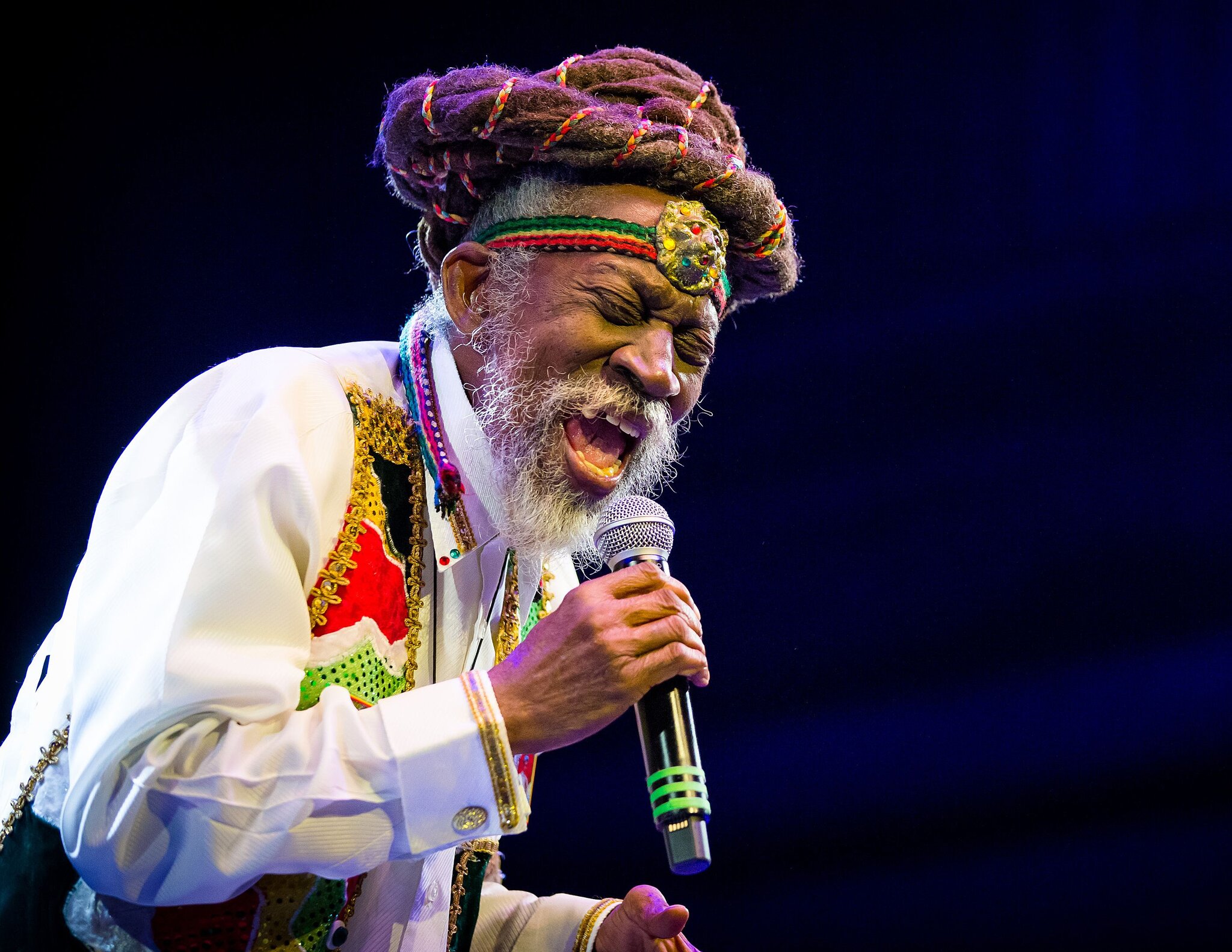
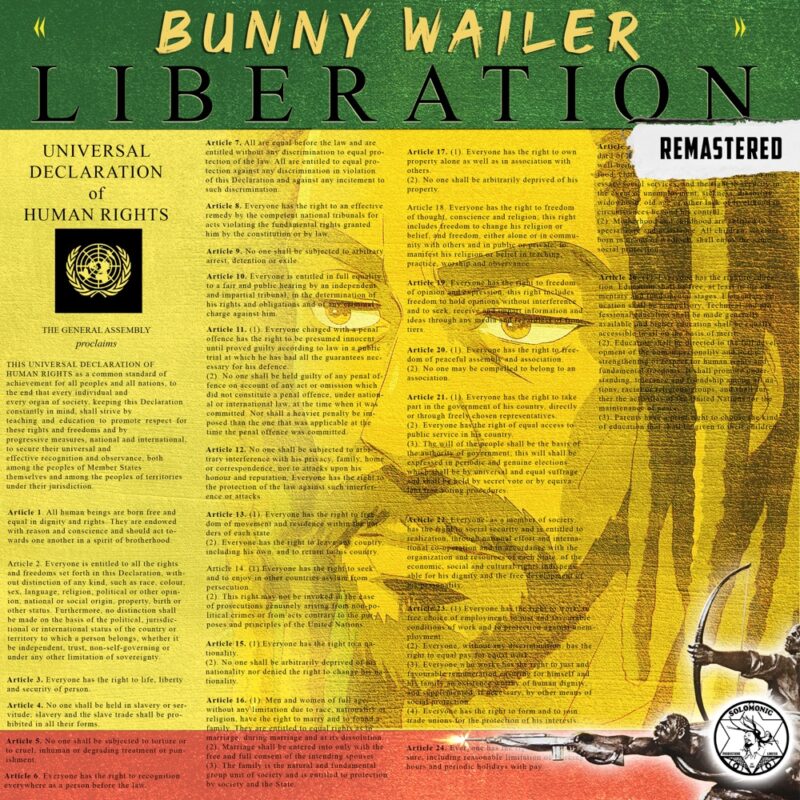
When Bunny Wailer released Liberation in 1989, the world was shifting. The Berlin Wall was beginning to fall, apartheid was nearing its end, and a new wave of global awareness was stirring. The album arrived like a prayer and a protest at once, a collection of roots reggae anthems calling people to rise above oppression and claim their freedom.
Now, more than thirty years later, Liberation returns, remastered and shining with new life. The timing could not be more fitting. The world may look different, but the struggles are the same. Division, war, corruption, and unrest still dominate the news. Yet the heart of Bunny Wailer’s message remains timeless: freedom begins in the mind.
The Fire That Built the Sound
Bunny Wailer, born Neville O’Riley Livingston, was more than a reggae artist. He was a messenger. As a founding member of The Wailers with Bob Marley and Peter Tosh, Bunny helped shape a movement that turned Jamaica’s stories into a global awakening. His solo career continued that mission, guided by Rastafari faith and a deep sense of purpose.
Liberation was never about chasing fame. It was about awakening consciousness. Songs like “Rise and Shine” and “Want to Come Home” carried truths beneath steady rhythms. Each track challenged listeners to break their inner chains, whether spiritual, political, or emotional.
Listening to Liberation today, its relevance is striking. The basslines thump with warmth, and the horns dance around Bunny’s commanding voice. It feels as if he is still here, reminding the world that awareness is the first step toward freedom.
A Message That Refuses to Fade
Reggae has always been the people’s music, built on resistance, reflection, and rhythm. Liberation embodies all of it. It was created from struggle, not comfort. Its sound is unpolished, honest, and pure. That authenticity makes it eternal.
The beauty of the remastered version is in how it deepens that rawness. The production feels richer while keeping the original soul intact. It reminds listeners that great music does not age; it transforms with time.
In an age overwhelmed by noise and distraction, Liberation speaks with clarity. It is not just a record to hear but one to feel. Its message of unity and love cuts through cultural divides. Bunny Wailer’s words were meant to guide, not just entertain.
Why the World Still Needs Liberation
At its core, Liberation challenges us to slow down and listen. Beneath its grooves lies a call for courage and compassion. Bunny’s songs ask us to think, to question, and to choose peace over anger.
When he sang about rising and shining, he was not only speaking of spiritual awakening. He was urging people to act with purpose. To resist hate. To seek truth. To live in harmony.
It is easy to call Liberation a classic. It is harder to admit how much we still need its message. The album feels like a mirror held up to humanity, showing both our progress and our wounds. Bunny Wailer’s lyrics remind us that true liberation is not given by any system; it is something we must discover within ourselves.
The Legacy Continues
Bunny Wailer’s passing in 2021 left a void in reggae, but his message continues to ripple through generations. The Remastered Trinity campaign, which includes Rock ’n’ Groove and Rootsman Skankin’, is more than a musical release. It is a revival of a philosophy built on peace, love, and empowerment.
At a time when truth feels uncertain and division grows louder, Liberation feels like a compass pointing us back to unity. It calls for a different kind of revolution, one rooted in thought and spirit.
Bunny Wailer’s music was never about escape. It was about awakening. Liberation is proof that sound can be both weapon and healing. It carries the pulse of a people who never gave up, and it invites the world to listen, learn, and rise again.
Liberation was never just an album. It was, and still is, a movement set to rhythm.
WATCH “Roots Man Skankin” Video Below