As county leaders seek records and an inspection of BSO facilities, Sheriff Gregory Tony says the county is misrepresenting the facts and cites an ongoing state investigation. The dispute puts a practical question before Broward taxpayers: who can examine how an independently elected sheriff spends public money?
Saunas and cold plunges have become the most vivid symbols of a widening Broward County budget fight. But the dispute is about more than amenities at a sheriff’s training center. Mayor Mark Bogen and county commissioners are demanding closer scrutiny of the Broward Sheriff’s Office’s roughly $870 million budget; Sheriff Gregory Tony says officials are mischaracterizing the issue and that BSO keeps receipts.
The conflict is now moving from public accusations toward a possible records and access battle. As of Monday, October 12, Bogen was set to visit the BSO training center with commissioners, while Tony said they would not be permitted into secure areas, citing an ongoing state investigation. Bogen has threatened legal action if the county is denied access or records.
For taxpayers, the central questions are what the county is entitled to review, what records BSO must provide, and what the evidence ultimately shows about spending.

What set off the dispute
County leaders announced an investigation into BSO spending after Tony suspended budget negotiations with the County Commission. The county says it wants to start by requesting budget documents and has indicated it may pursue legal action if BSO does not provide the information voluntarily.
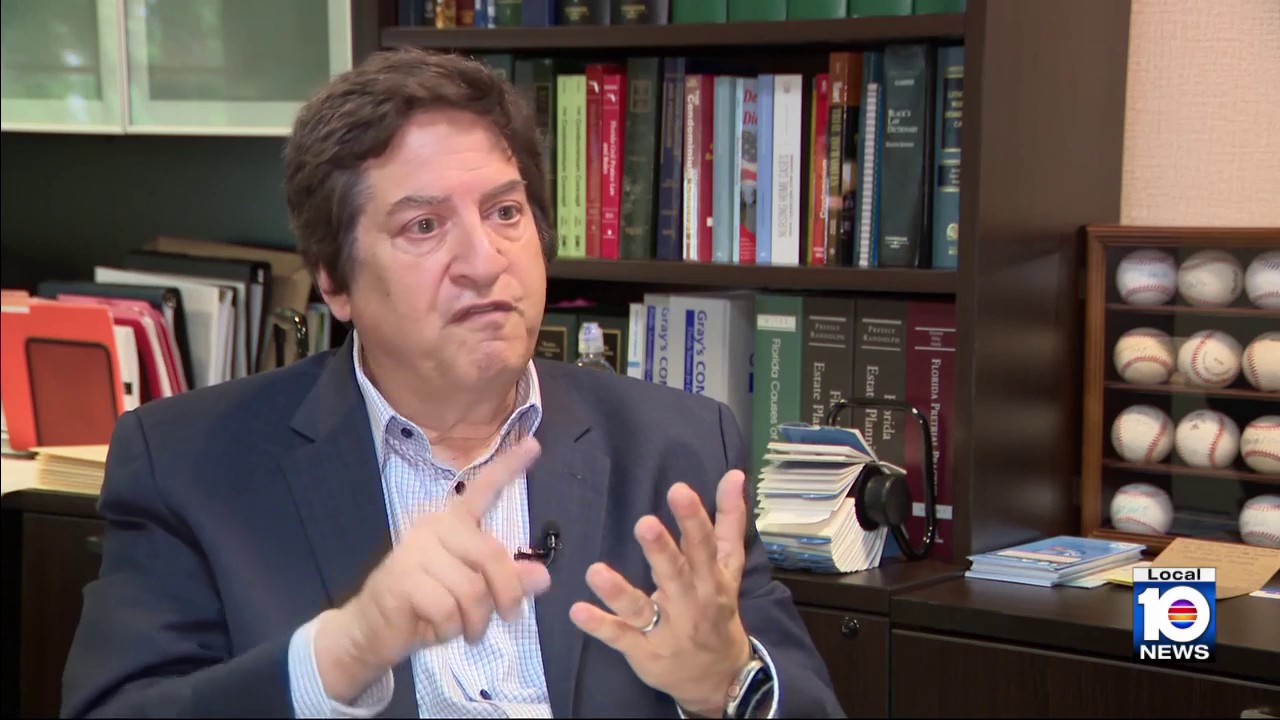
Bogen has questioned whether public dollars are being used for law enforcement or for what he describes as nonessential amenities. In interviews reported by Local 10, he raised concerns about massage tables, saunas and a cold plunge at the training facility.
The details of the facility are not, by themselves, proof of misconduct. A 2024 county audit of the training-center project became part of the dispute, with reporting noting questions about the wellness center’s development and county officials’ awareness of it. The audit provides context for scrutiny of the project; it should not be treated as a finding that Tony personally misused the entire BSO budget.
Tony has said BSO has been audited, that receipts are kept, and that officials are presenting the facts inaccurately. He has also said supporting records would be made public. The disagreement is over what material exists, whether it answers the county’s questions and what access officials can lawfully require.
The inspection, and the security dispute
Bogen said he and commissioners planned to visit the training facility on Monday to see the gym and wellness area. He has argued the county owns the building and that officials should be able to inspect the space.
Tony has objected to a visit to secure areas, describing it as unauthorized and saying it could interfere with due-process protections amid a state investigation involving county officials. In comments reported by CBS Miami, the two traded public accusations over the weekend.
Bogen said that if access were denied, he would seek an emergency commission meeting and legal action. Local reporting said BSO offered to provide commissioners with video and photographs of the training center. Whether that would satisfy the county, or whether the dispute requires a court to define the parties’ rights, remained unresolved in reports available Monday.

Why the oversight question is complicated
A sheriff is not simply a county department head. Florida sheriffs are independently elected constitutional officers. That distinction matters: the commission has authority over the county budget, but that does not automatically give it general managerial control over the sheriff’s office.
Florida Statute Section 30.49 sets out the sheriff’s budget process, including the submission and review of proposed spending. It gives county commissioners a role in considering and approving budget items, while also preserving the sheriff’s operational independence. The exact scope of any requested review therefore matters.
Public-records access is a separate issue. Under Florida’s public-records law, government records are generally subject to inspection, though specific exemptions can apply. A demand to examine records is not necessarily the same as authority to take over an agency’s operations; if a record is withheld, the legal basis and the available process to challenge that decision become important.
That is the distinction at the heart of the standoff: can the county obtain the documents and inspection it seeks under its budget and records authority, and where does that authority stop when the subject is an independent constitutional officer?

What it means for Broward taxpayers
An $870 million budget is a large public commitment. Residents have a reasonable interest in understanding how it is allocated, what services it supports and whether spending follows the approved budget. BSO, in turn, is responsible for public safety and has argued that political conflict should not undermine its work or compromise a state investigation.
The investigation’s process could shape what the public learns. A useful review would distinguish routine operating costs from capital-project expenses, show which approvals were required and obtained, and make clear where records are unavailable or legally exempt. The parties’ claims are not a substitute for that documentation.
The controversy also comes as county officials are debating which public-safety services should remain under BSO control. NBC 6 reported that commissioners had recently considered county control of services including fire rescue and raised questions about other responsibilities. Those debates are distinct from the spending probe, but they add to the stakes of the relationship between the commission and sheriff.
Broward’s public agenda stretches from fire rescue and the Port Everglades corridor to Everglades water planning. This dispute is not about Everglades restoration, but it belongs to the same broader question facing local government: how public institutions explain spending and show residents what their tax dollars support.
November’s accountability test
With the November election cycle approaching, the budget dispute gives voters a concrete issue to follow, not a conclusion about guilt or waste. Residents can look for whether the county produces a defined audit plan, whether BSO provides records or identifies specific legal exemptions, and whether any independent findings support the allegations being made.
The next developments may include the planned inspection, the threatened emergency meeting and a decision about whether the courts should resolve questions of access. Until records are reviewed and the parties’ authority is clarified, the public should separate documented audit concerns from broader accusations about the entire budget.
The headline amenities have drawn attention. The more consequential outcome will be whether Broward’s officials can establish, through records and a lawful review, what was spent, who approved it and what oversight applies.
Sources
- CBS Miami: Broward mayor and sheriff trade barbs as budget battle escalates
- WSVN: Mayor set to inspect BSO spending amid budget probe
- Local 10: Mayor threatens legal action over sheriff’s $870 million budget
- NBC 6: County leaders want audit of sheriff’s $870 million budget
- Florida Statute §30.49: Sheriff’s budget
- Florida Statute §119.07: Inspection and copying of public records