Fort Lauderdale’s long-running yellow tap water problem is approaching a major test.
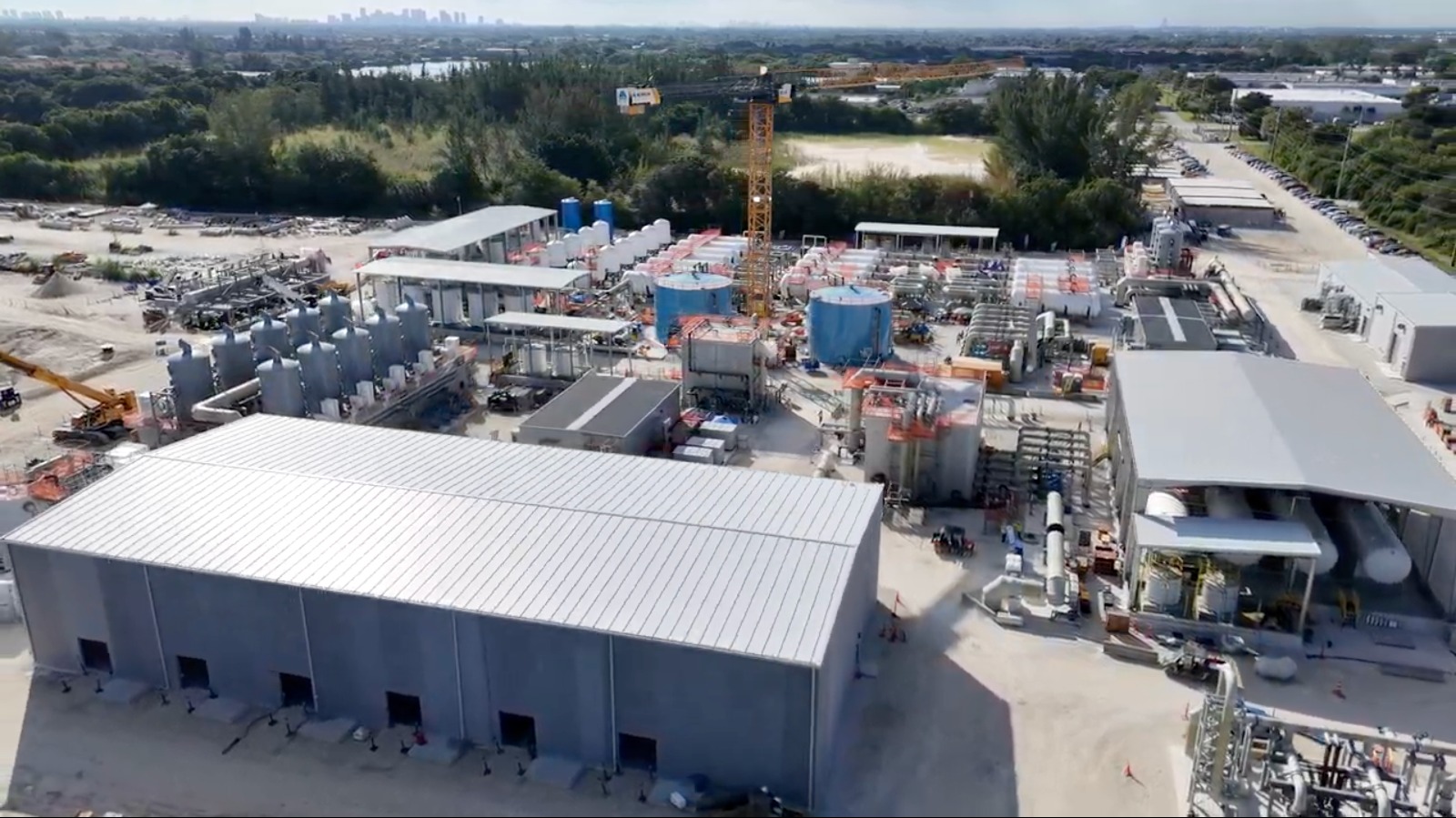
The city’s new Prospect Lake Clean Water Center is expected to begin commercial operations in mid-September 2026, replacing the aging Fiveash Regional Water Treatment Plant. The $666 million project is designed to deliver clearer drinking water, remove the natural compounds responsible for the yellow tint and strengthen the region’s water system against extreme weather.
But residents should not expect every discolored-water complaint to disappear the moment the new plant opens. The facility will address the problem at its source, while Fort Lauderdale’s older underground pipes could continue to affect water color during the transition and in some neighborhoods.
Why Fort Lauderdale’s tap water turns yellow
The yellow tint has been a persistent concern for residents across Fort Lauderdale and nearby communities. It can be especially noticeable when a toilet is flushed, after a period of low water use or when water flow changes in a neighborhood.
According to city officials and reporting by CBS News Miami, the color is linked primarily to naturally occurring organic matter, including tannins, in groundwater drawn from the Biscayne Aquifer. These compounds are harmless to consume but can give tap water a yellow or tea-like appearance.
The existing Fiveash plant uses an older lime-softening process that does not fully remove those compounds. As a result, the city has repeatedly maintained that its water meets state and federal safety standards even when residents see discoloration at the tap.
The new facility is intended to change that treatment process.

What the $666 million project includes
The Prospect Lake Clean Water Center is being built near Fort Lauderdale Executive Airport, west of the airport and off Prospect Road. It will treat groundwater from the Biscayne Aquifer and provide up to 50 million gallons of drinking water per day.
The project uses two principal treatment technologies:
- Nanofiltration, designed to remove natural organic compounds that contribute to water color.
- Ion exchange, which can help remove PFAS, a group of manufactured chemicals often referred to as “forever chemicals.”
The facility also includes pressurized multimedia filters, stripping towers and other treatment systems. According to IDE Technologies’ project overview, the plant is being developed through a 30-year public-private partnership involving IDE Technologies and Ridgewood Infrastructure.
The project’s commonly cited $666 million price includes both the treatment plant and related infrastructure. The facility itself accounts for approximately $485 million, while about $181 million is allocated to transmission mains and other enabling work needed to connect the plant to Fort Lauderdale’s existing distribution system.
The plant is also designed to withstand Category 5 hurricane conditions. That resilience is particularly important in South Florida, where hurricanes, flooding and extended power outages can place intense pressure on water infrastructure.
When will the new plant start operating?
Construction began in 2023, and the city has targeted commercial operations for September 2026. A recent South Florida Sun Sentinel report says the facility is expected to open in mid-September.
The transition will not happen overnight. For roughly 30 days, Prospect Lake and Fiveash are expected to operate together while the city gradually shifts water production to the new facility.
That phased approach is intended to help operators manage water chemistry, system pressure and distribution changes. Once the new plant is operating independently, city officials expect the water delivered to customers to become noticeably clearer.
Residents could still see temporary discoloration during the initial weeks. City spokesman Kevin Pulido told the Sun Sentinel that mineral deposits inside older water mains may react to the new water chemistry before the system stabilizes. The city expects the water to clear within a matter of weeks.
Will the new plant eliminate yellow water everywhere?
The plant should substantially improve water clarity at the treatment stage. However, the condition of Fort Lauderdale’s distribution network remains a separate issue.
The city operates more than 770 miles of water mains, including older cast-iron, steel, concrete and clay pipes. Some unlined cast-iron pipes have accumulated mineral deposits over decades. Changes in water chemistry or flow can disturb those deposits, potentially causing yellow, brown or reddish water even when the water leaving the treatment plant is clear.
That concern has prompted skepticism from several water and engineering experts. In the Sun Sentinel’s reporting, experts warned that clear water moving through aging pipes may continue to pick up discoloration in some sections of the network.
City officials dispute the idea that the new plant will fail to solve the problem. They say water chemistry and corrosion-control measures can help preserve protective mineral layers inside the pipes and reduce the likelihood of widespread discoloration.
The practical result may vary by neighborhood. Areas with newer or recently rehabilitated mains could see clearer water quickly, while communities served by older pipes may experience a longer adjustment period.

What the project will fix : and what it will not
The Prospect Lake facility is designed to address several weaknesses associated with the current system:
It should improve water clarity
Nanofiltration is intended to remove the natural organic compounds responsible for the yellow tint. That is the central reason Fort Lauderdale is investing in the new facility.
It will modernize the city’s treatment process
The plant will replace the aging Fiveash treatment process with a modern membrane-based system. Fiveash is expected to remain part of the network as a distribution and transmission hub after its primary treatment role ends.
It will improve PFAS treatment capabilities
Ion exchange technology and a planned PFAS pilot program will allow the city and its partners to evaluate the plant’s performance against increasingly stringent standards for PFAS in drinking water.
It will add storm resilience
The Category 5-rated design and backup systems are intended to help the region maintain water service during severe weather and power disruptions.
It will not instantly replace every old water main
Pipe replacement and rehabilitation will remain necessary. The city has been working under a Florida Department of Environmental Protection consent order requiring it to map and address portions of its aging water system after a series of main breaks and boil-water orders.
The city has budgeted tens of millions of dollars for pipe replacement between 2023 and 2028, but a complete overhaul of the network would take years and cost far more than the treatment plant alone.
What residents should expect this fall
For Fort Lauderdale residents, the key dates and expectations are straightforward:
- Mid-September 2026: Prospect Lake is expected to begin operating.
- First 30 days: Fiveash and Prospect Lake will operate together during a phased transition.
- First few weeks: Some temporary discoloration may occur as old water mains adjust to the new water chemistry.
- After the transition: City officials expect clearer water as Prospect Lake becomes the primary treatment facility.
- Following years: Pipe mapping, rehabilitation and replacement will determine how consistently clear water reaches individual neighborhoods.
The city continues to say that yellow water is safe to drink when it meets required testing standards. Still, residents who notice a sudden or unusually severe change in water color, odor or taste should report it to Fort Lauderdale’s utility department and follow any official advisories.
The new treatment plant represents the biggest investment yet in resolving one of the city’s most visible infrastructure problems. Whether it delivers consistently clear water at every faucet will depend on both the performance of Prospect Lake and the condition of the pipes beneath Fort Lauderdale’s streets.
For the latest South Florida news and Fort Lauderdale news, the September startup will be one of the region’s most closely watched infrastructure milestones.